




The construction work for the new Girona Clinic, at the southern entrance to the city, is exemplary and respects its urban surroundings, local residents, and the environment. It not only complies with all relevant regulations but significantly surpasses them with additional elements for safety, waste management, and cleanliness.
Barcelona road net
A prime example: the movement of lorries has been continuous for months. However, if you travel along the Barcelona road near the construction site, you'll notice that the road is completely clean. There are no typical muddy tracks left by lorries at other construction sites.
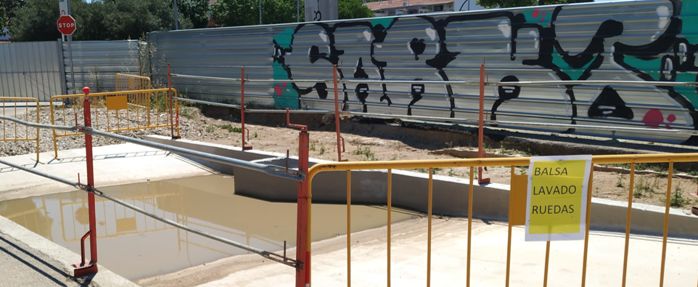
This is because a “pool” has been set up at the exit for the lorries, within the construction site perimeter, which all these heavy goods vehicles must pass through before joining the city street, thus minimising the exit of mud from the works onto the public highway.
Uralita handled with care
From the outset, special care was taken in the removal of the roofing from the existing industrial buildings in the area, which contained fibre cement, the cursed asbestos cement. While these works were ongoing, carried out by a specialised company, and which delayed the demolition of the buildings by some months, the entire perimeter of the site was cordoned off and access was only permitted with special clothing and strict safety regulations.
Groundwater filtered to return it clean to the Güell
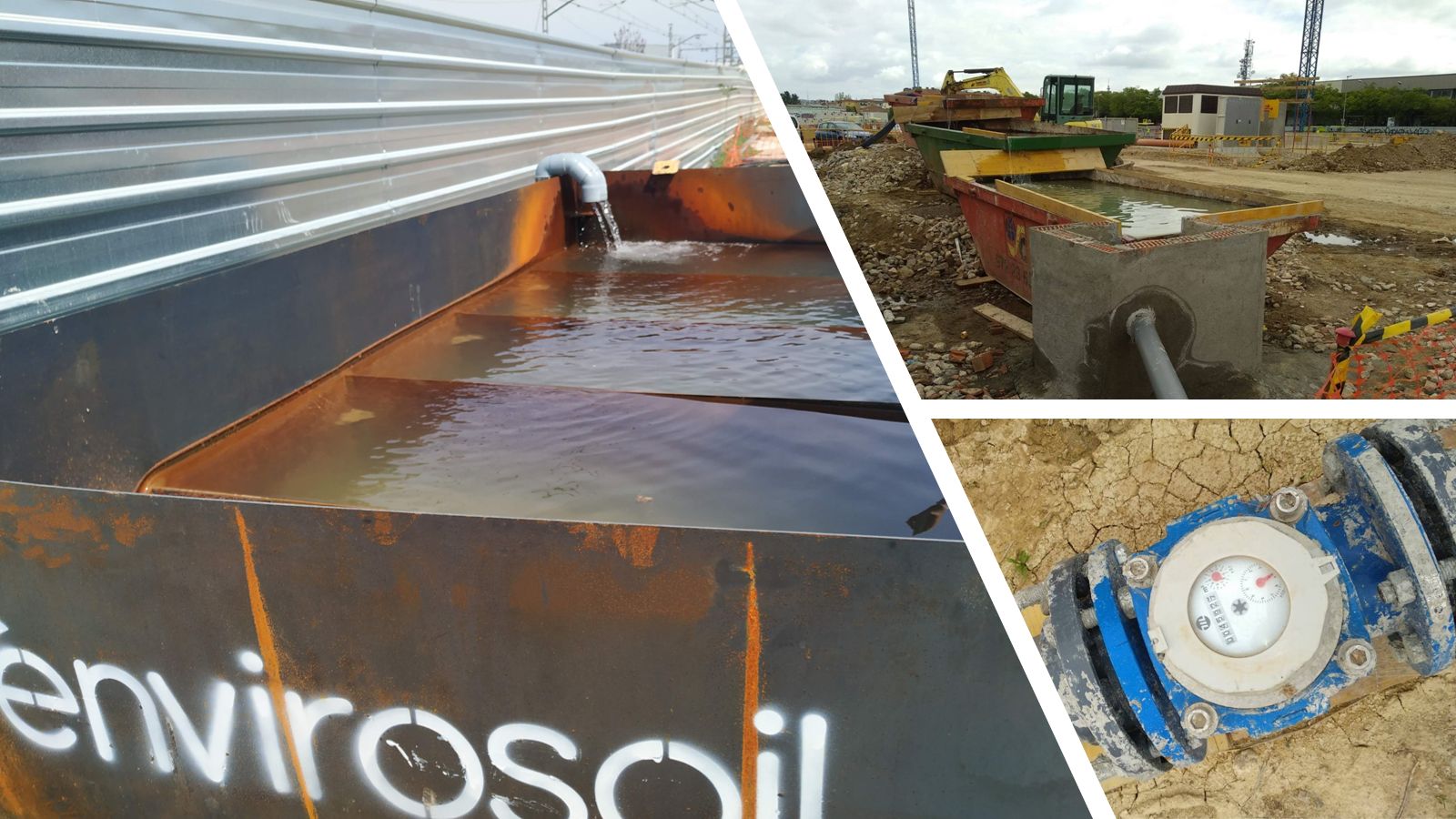
Due to the presence of water on the land, the water table has been regulated with pumps that have extracted groundwater and returned it to the Güell River as it passes through the area. Following a water quality control process and even measures have been applied to quantify the cubic metres of clean water discharged, in close collaboration and under the supervision of the ACA, the Catalan Water Agency.
Hard work, but very secure
A project of this nature, we're talking about a construction area of over 41,000 square metres, also requires the implementation of good safety measures for the workers, of different specialities and companies, who are participating in this major project.
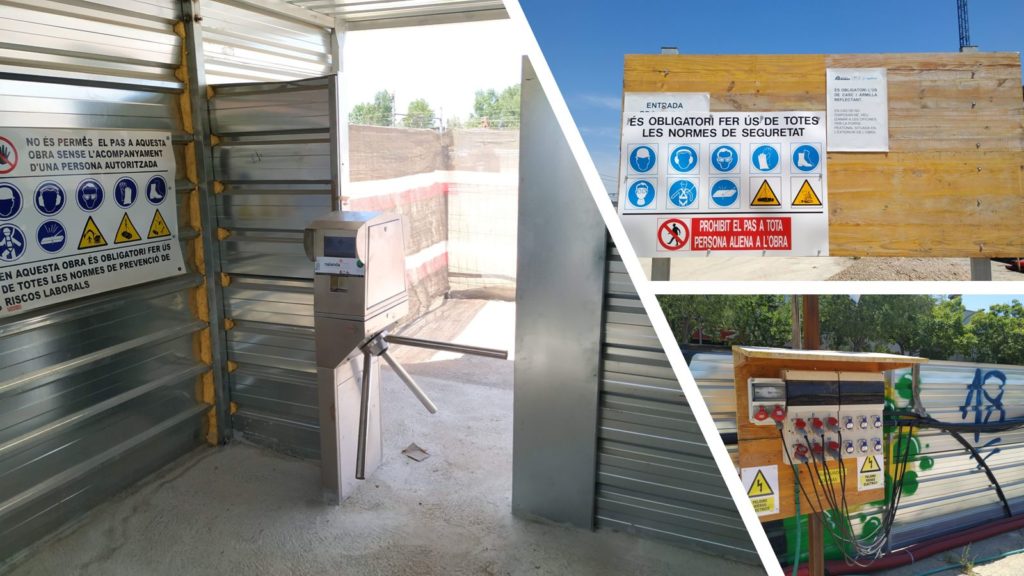
In this case, not only is all the relevant legislation being applied in terms of occupational safety, but some additional measures have also been introduced. The worksite is perfectly signposted with notices describing the different work-related risks, as well as all instructions for personnel responsible for handling hazardous materials.
However, a “turnstile” with personalised access control for each worker has also been set up, where it is checked, via a computerised platform, that everyone accessing the site has up-to-date training and documentation to be able to carry out the work safely.
The earth returns to the earth and the waste is recycled.
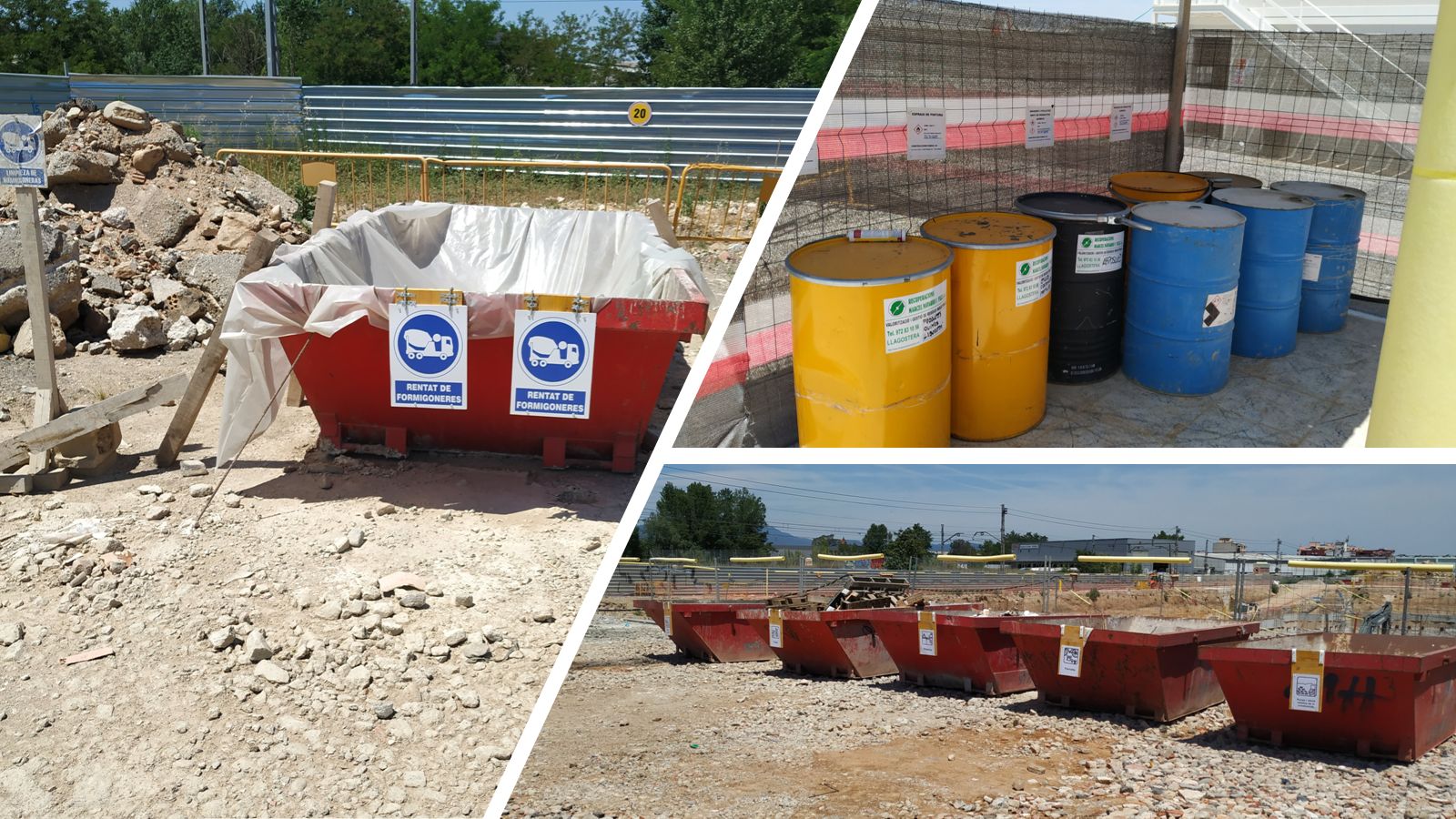
And what happens to the large quantities of earth extracted from the construction site? Many people ask. Well, all this earth is used to reduce the visual and ecological impact of quarries, such as the one owned by the company Rubau (one of the three involved in the consortium executing the works), which is located between Pont Major and Campdorà. As for the different types of waste, they are all recycled using specific containers for each type of substance and debris, so that nothing is left un-recycled at the end of each working day on site.
At a good pace
The works are progressing well and the prediction that the entire building will be finished between December 2020 and January 2021 is being maintained.
The construction work for the new Clinic is the work of the Caravan led by Construccions Rubau, along with Ortiz and Alfred.
The direction of the execution of the work and quality, safety and health control will be carried out by the technical architecture company. AT2 Services. Both the demolition of the ships and all the earthworks are the responsibility of Mateu Transports. Other specialised companies also work there, such as Terratest, which is responsible for the foundation and retaining wall work, or ESTRUCTURES buildings, and to anything related to the building's structure.
