


Maternity
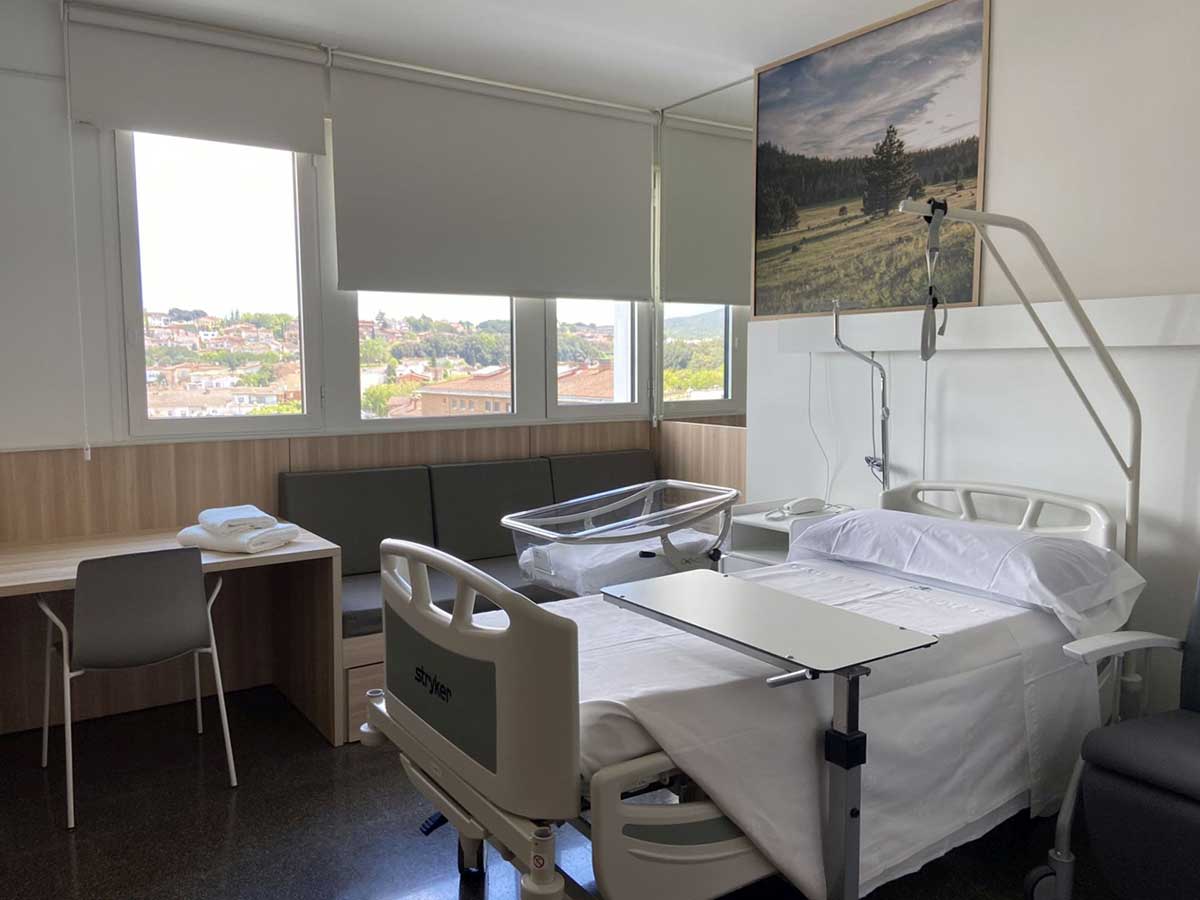
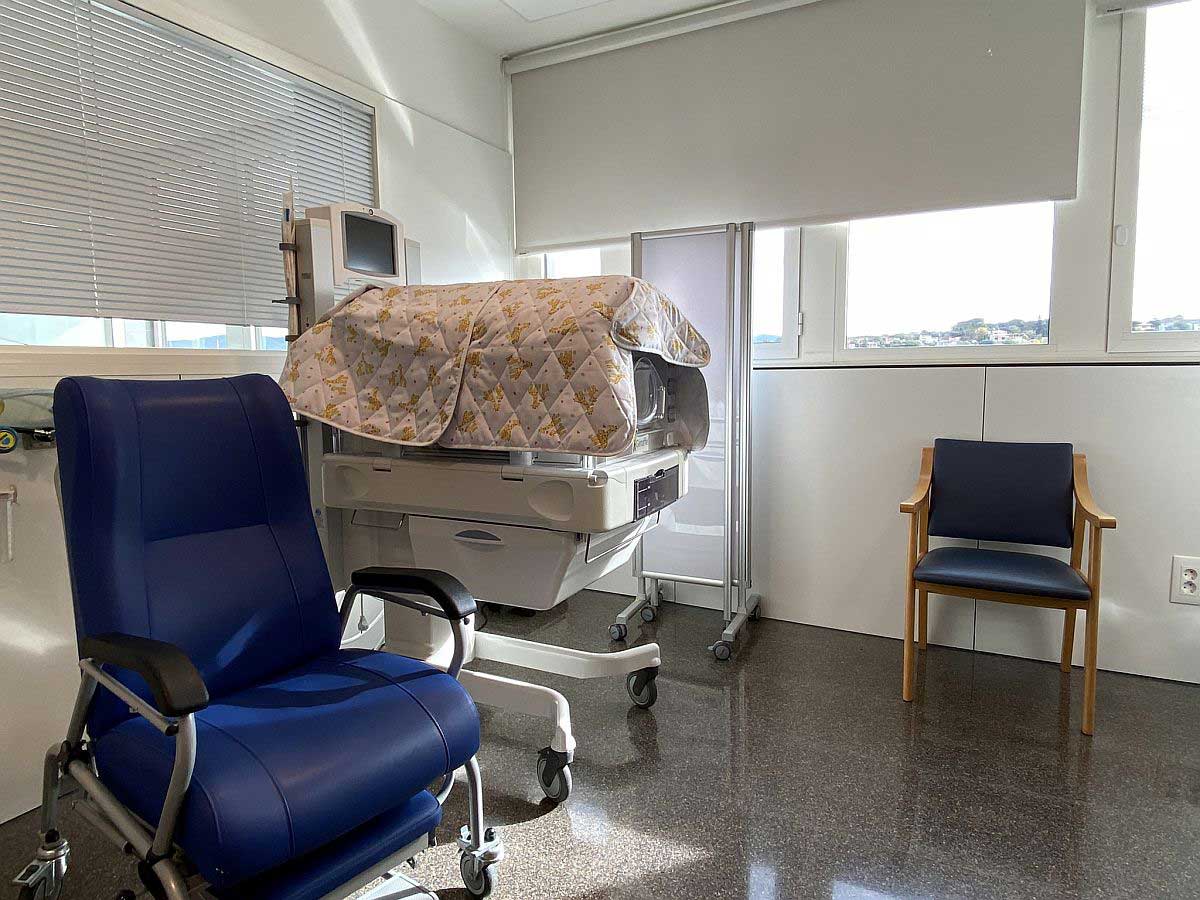
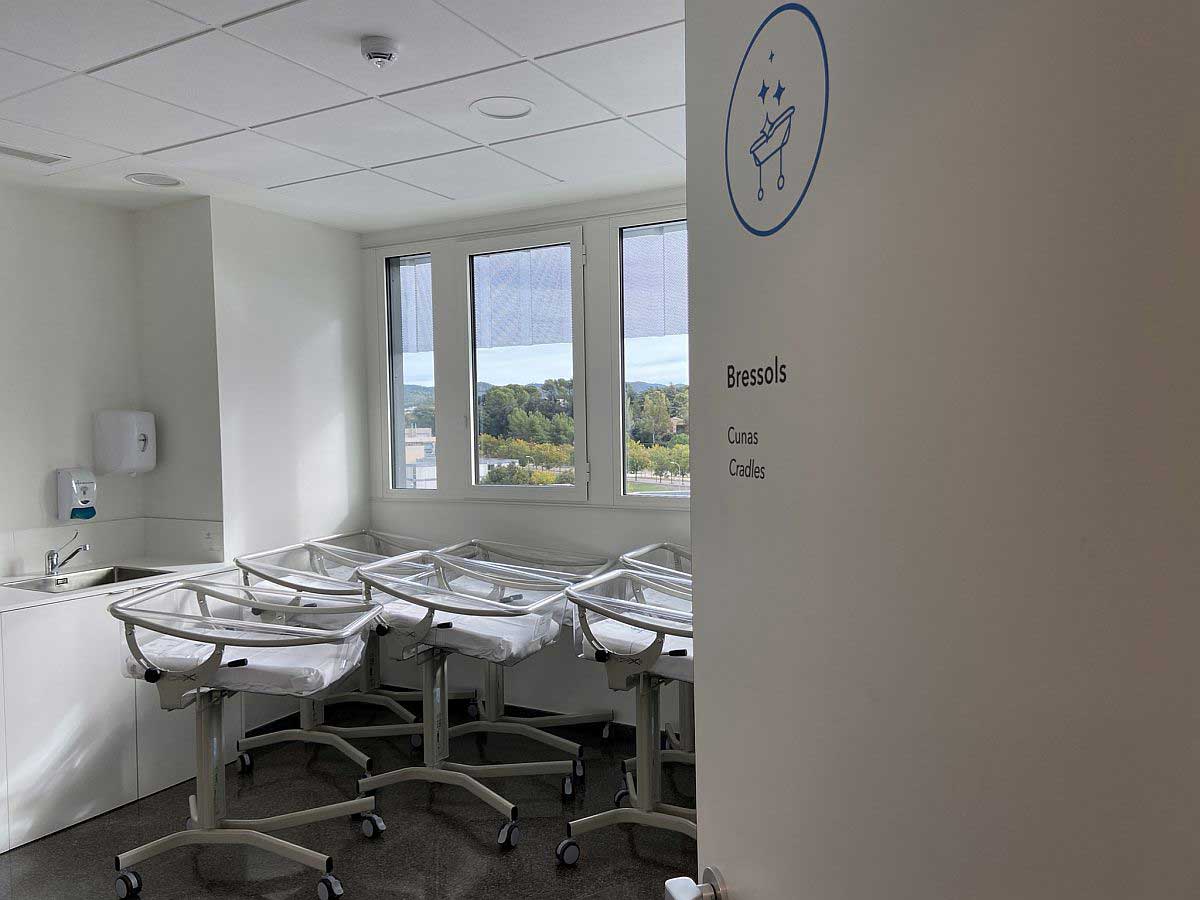
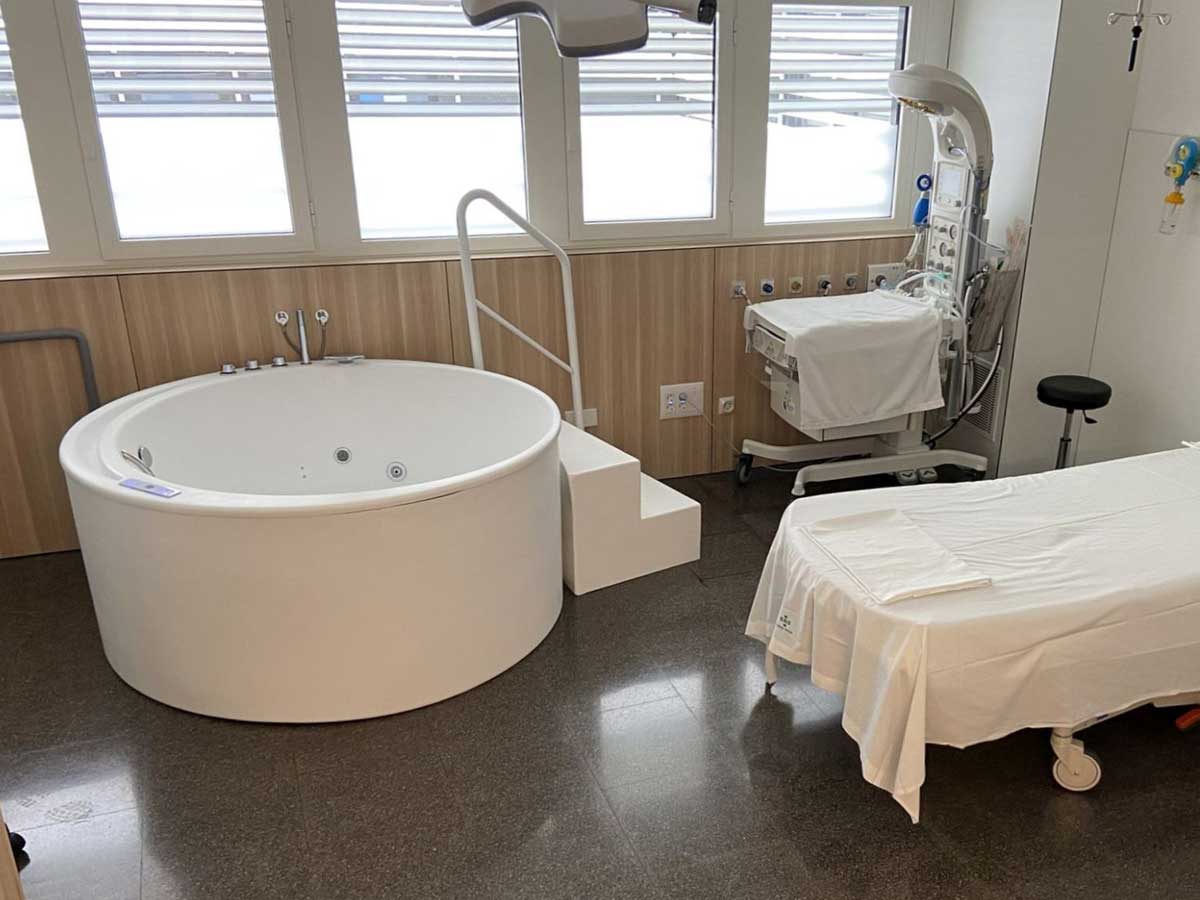
The birth of your baby represents a significant change in various aspects of your life. Here you will find all the information about antenatal and maternity preparation classes, your Birth Plan, how to pack your baby’s hospital bag, and recommendations for the care of both mother and baby, as well as advice on expressing and storing breast milk. You will also find a gallery of images and be able to make a virtual reality tour at the birthing rooms of Clinica Girona.
Antenatal classes
The birth of your baby represents a major change in various aspects of your life.
Online and In-Person Classes
If you are thirty weeks pregnant, Clínica Girona offers you a Birth preparation courses in which different topics related to childbirth and the first few days of childcare are discussed.
These are group sessions designed for expectant mothers and their partners to become more aware of the entire process encompassing this stage, the birth, and the raising of their baby.
From thirty-four weeks, we also offer stretching and relaxation sessions to prepare for childbirth physically and emotionally.
Would you be interested in attending the Antenatal Preparation course offered by Clínica Girona?
The seven sessions of Preparation for Birth based on the Guide edited by Departament de Salut de la Generalitat de Catalunya aim to equip women and their partners with knowledge, strategies and skills which helps them prepare to face the physical, emotional and lifestyle changes that will take place throughout the gestation, birth and upbringing of the baby.
All the information here: www.maternitatgirona.cat
Maternity care
At Clínica Girona, we work to make your birth an unique and special experience. Your well-being and that of your baby are our priority. We offer care based on quality, respect, and scientific evidence., adapted always to the needs of each family.
In this space, you will find information on how our service works. However, we also recommend that you consult the Pregnancy guide from Departament de Salut, offering practical information on pregnancy, childbirth, and the postpartum period.
Birth plan
This is the Birth plan for Girona Clinic in PDF
The baby basket (or moses basket)
Practical tips for preparing the baby's nappy bag.
FOR THE BABY:
- Four cotton t-shirts and open-fronted pants or bodysuits.
- Four sets of jumpers and trousers or pyjamas.
- Two pairs of socks.
- A cap and gloves.
- A cot net or blanket.
- A changer.
- Two dummies (If breastfeeding is artificial).
The first day's moult must be kept separate in a bag.
Requirements for the Clinic:
- Moisturising lotion or oil.
- Balsamic ointment.
- Wet wipes or sponge.
- Paint.
You will also need for home:
- Sterile gases.
- Thermometer.
- Liquid soap without detergent.
- Cheerleaders.
- Dummy (If bottle-feeding).
FOR MUM:
- Two or three short-sleeved nightgowns or pyjamas, loose-fitting and with an opening at the front.
- Fishnet tights.
- Shoes and espadrilles.
- Two breastfeeding advocates.
- Personal hygiene products.
You may also need:
- Hair dryer.
- Absorbent pads (breastfeeding).
- Nursing pillow.
Recommendations
- Wash all the baby's clothes and cut off the labels.
- The items must be made of cotton to avoid allergies and be easy to put on.
- Prepare a change of clothes for each day in a bag.
- Bring your maternity book, lab results, ultrasounds and ID card.
Recommendations for the care of mother and baby
Recommendations FOR MOTHER'S CARE:
Rest/Activity
- Rest as much as you need.
- Take the opportunity to sleep when your baby does.
- Prioritise your needs and the baby's.
- Do not make an effort or lift weights.
- Start pelvic floor muscle strengthening exercises before abdominal exercises, and always post-quarantine.
Wound care and hygiene
- Take a bath once a day with mild soap.
- You cannot take immersion baths during quarantine (Swimming pool, beach, bathtub, etc.).
- Have nipple and areola care.
- The vaginal area must be clean and dry.
- If you have stitches in your perineum (episiotomy), wash with soap and dry carefully with a towel or hairdryer. Your midwife will advise if a specific solution is needed. The stitches will fall out after between 7 and 10 days, they should not be removed.
- Change the pad often.
- Do not use tampons.
- If she had a Caesarean section, you can take a bath, clean the wound with soap and water, dry it with gauze and a hairdryer, disinfect it with “Cristalmina” and apply a sterile gauze dressing.
- Your gynaecologist will tell you when your stitches or staples will be removed.
Vaginal discharge
- After childbirth, you will have vaginal bleeding from the uterus (lochia). This should gradually decrease and can last between 20 and 40 days.
Others
- She must not have penetrative sex to avoid infection.
- It has to be done balanced, sufficient and varied diet rich in fibre, iron, vitamins, dairy products and fluids.
- Highly spiced foods, alcoholic drinks, tobacco and drugs are not recommended.
- Avoid constipation.
- In case of haemorrhoids, apply a lukewarm shower haemorrhoid ointment.
- Take the medication prescribed by the gynaecologist: painkillers, vitamins, and iron (take it with vitamin C, orange, kiwi, etc. to improve absorption).
- It's normal to have changes in mood and emotional state as a consequence of hormonal changes, she is in a period of recovery and adaptation.
- You have to know that your body need between 3 and 6 months to return to your pre-pregnancy state. Don't want to lose weight quickly, don't go on drastic diets.
- Talk to other mothers or breastfeeding support groups.
- You need to go for the quarantine check-up with the gynecologist 6 weeks after giving birth.
Urgent consultation matters
- Very heavy blood loss.
- Fever above 38.5°C.
- Smelly loss.
- Severe abdominal pain.
- Pain and/or burning when urinating.
- Induration and/or intense pain in the area of the points.
- In case of a caesarean, if the wound smells bad, is discharging, or looks red.
- Appearance of a reddened and/or warm area in the breasts or very significant hardening.
FOR BABY CARE:
Nutrition
- Breastfeeding
- On-demand timetable.
- A correct position for the baby at the mother's breast.
- Artificial feeding
- Follow the paediatrician's instructions.
- Nursing recommendations.
Hygiene
- A quick shower, even if the umbilical cord is still attached. Bathing is recommended once the cord has fallen off. If bathing is done In the evening, they relax and sleep better.
- Prepare all the materials: towel, sponge, changing mat, gauze, nappy, wipes, baby soap, moisturising oil or lotion, barrier cream, clean clothes.
- Pleasant room and water temperature, warmer in winter and cooler in summer. Always check the water temperature with your elbow before putting the baby in.
- Hold the baby securely.
- After bathing, dry him well, especially the skin folds.
- You can hydrate your skin while massaging it.
- The eye gunk is removed with water, saline solution or camomile.
- Do not use cotton buds to clean your ears and nose.
- Change the nappy coften to prevent their bum from getting sore.
Navel care
- Dry cure. If it’s itchy, clean with sterile gauze and soap and water and dry thoroughly.
- After a dry spell, it falls between 7 and 20 days later.
- Do not use iodine (Betadine).
Urgent reasons to consult a paediatrician
- If the belly button smells, is red, or has discharge or blood.
Others
- A gentle clockwise massage can be given to the lower abdomen of a baby to help expel gas and faeces.
- Babies fed on breast milk have loose stools, while those on formula have thicker ones.
- Common occurrences include: sneezes (even if the baby doesn't have a cold), startles, bowel rumblings, hiccups, and milk burps.
- It is not recommended to overdress the baby.
- To make him sleep preferably lying on your back.
- It is convenient to go out for a walk every day, when it is less cold in winter or less hot in summer.
- Prevent accidents.
- I'll book the first visit with the paediatrician for the follow-up in the firsts 7-10 days of life.
- Remember to bring your Health Card to appointments.
Breastfeeding recommendations
Breast milk can be expressed for later use and be used when circumstances prevent the mother from being with the baby or due to excess milk.
There are two types of hyperlinks:
- Manuals: They are useful, but more time is needed for milk extraction.
- Electrical: They are the most recommended, they offer good suction without tiring the mother.
Milk storage
- Calostre: At room temperature, 12 to 24 hours.
- Mature milk:
- Refrigerated: Between 0 and 4 °C, 5 to 8 days.
- <15°C or in a cool box with ice packs, for up to 24 hours.
- 19-22 °C, up to 10 hours.
- In a room at ambient temperature, up to 4 hours.
- Frozen milk:
- In a freezer within the fridge, 2 weeks.
- In a combi, between 3 and 4 months.
- In a Chest freezer (no fridge) at a constant temperature of -19°C, about 6 months or more.
Containers to use:
- Plastic containers are the best option for storing milk in the fridge.
- Milk is better refrigerated than frozen.
- Another option for cooling or freezing is to use bags specifically designed for storing human milk.
- When milk freezes, it expands, so it's very important not to fill bags or containers completely to allow for this expansion.
- The best option for defrosting milk is to leave it in the fridg., process lasting around 12 hours. If a faster method is needed, it can be done in a “bain-marie” or with a bottle warmer.
- It is recommended to store milk in small containers proportionate to the amount of milk the baby drinks.
- When fresh milk is left to stand, it separates into two layers, one more liquid (the milk) and one thicker that forms a fine layer on the surface (fat). It is important to mix it well before giving it to the baby to maintain its nutritional characteristics, ensuring no residue is left stuck to the container.